
From Uni to 12d: A Graduate Civil Engineer's first few months at JOCES
Jocelyn Do

A strong foundation in maths and physics, a family background in construction, and a talent for software led Lachlan into civil engineering, and to JOCES. We caught up with him about his graduate journey: the design work, the challenges, and his advice for the next wave of grads.
What drew you to civil engineering, and what made you apply to a small consultancy like JOCES rather than a large firm or a Council?
During high school I enjoyed subjects like maths and physics. I liked the process of problem solving and applying it to real-world situations. My family also runs a small business in the construction industry, so civil engineering appealed to me. It combines maths and physics in a practical setting, and it meant I could draw on guidance from family members along the way.
I applied to JOCES because it offered the design path of civil engineering, which is the area I enjoy most. I also have an interest in computers and IT, and those skills translate well to learning design software. JOCES offered the chance to build my design engineering skills across a range of different software.
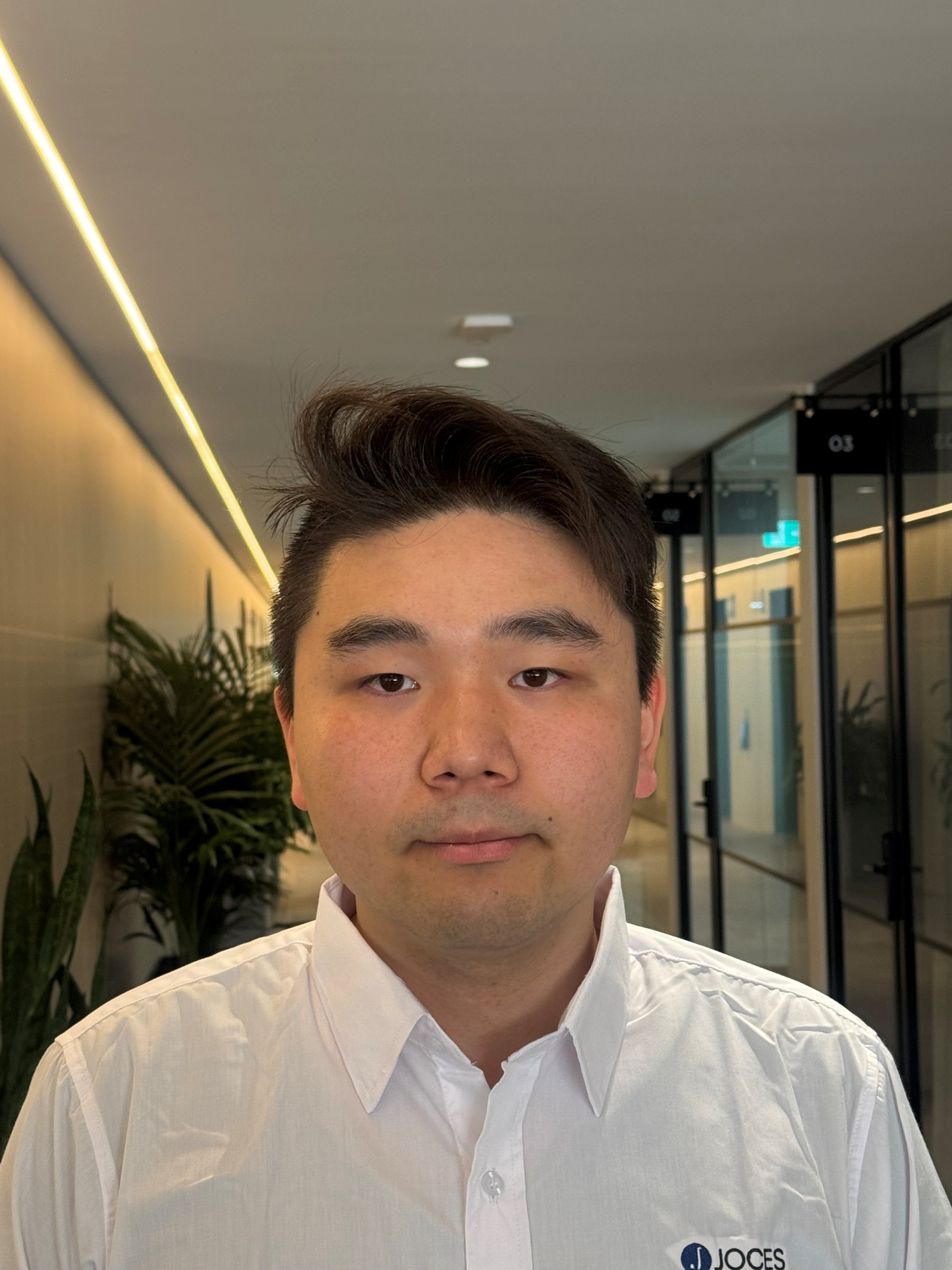
What knowledge and skills have you gained from working at JOCES, and how have they pushed and challenged you to learn and grow.
At JOCES I have had the opportunity to learn many different design engineering software packages, such as AutoCAD, 12d, DRAINS, MUSIC, QGIS and TUFLOW. I have been able to consolidate the skills I picked up from training manuals by applying them to real design projects.
TUFLOW was a software which I heard is quite difficult from other engineers. However, after trying it out, I’ve realised I enjoy using the software quite a lot. The software directly aligns with my interests of coding and in designing new, innovative solutions.
Working at JOCES has also given me exposure to development engineering, where you assess other people's designs. Having learnt design engineering first, I have found that assessing others' designs comes much more easily.
What has pushed and challenged me is the variation between projects. Each one is unique, and the type of engineering design that applies can differ significantly. You need to understand the fundamentals of the design software, the design standards and the requirements of Council DCPs, rather than relying purely on previous projects as examples. Early on I had to learn quickly that a small error in a drainage model carries through the whole design, so I have become much more careful and methodical in how I check my own work.
How would you decide whether a solution is "good enough" versus over engineered?
A good enough solution should meet Council requirements, relevant standards and the project scope. However, just compliance alone does not necessarily make it the best solution. In design, I would also consider cost, timeframe, sustainability and long-term performance. Over engineering occurs when additional complexity, cost or design effort provides little practical benefit to the client, Council or the overall project. For me, the aim is to find the right balance between compliance, performance, value to the client and time required for the design.
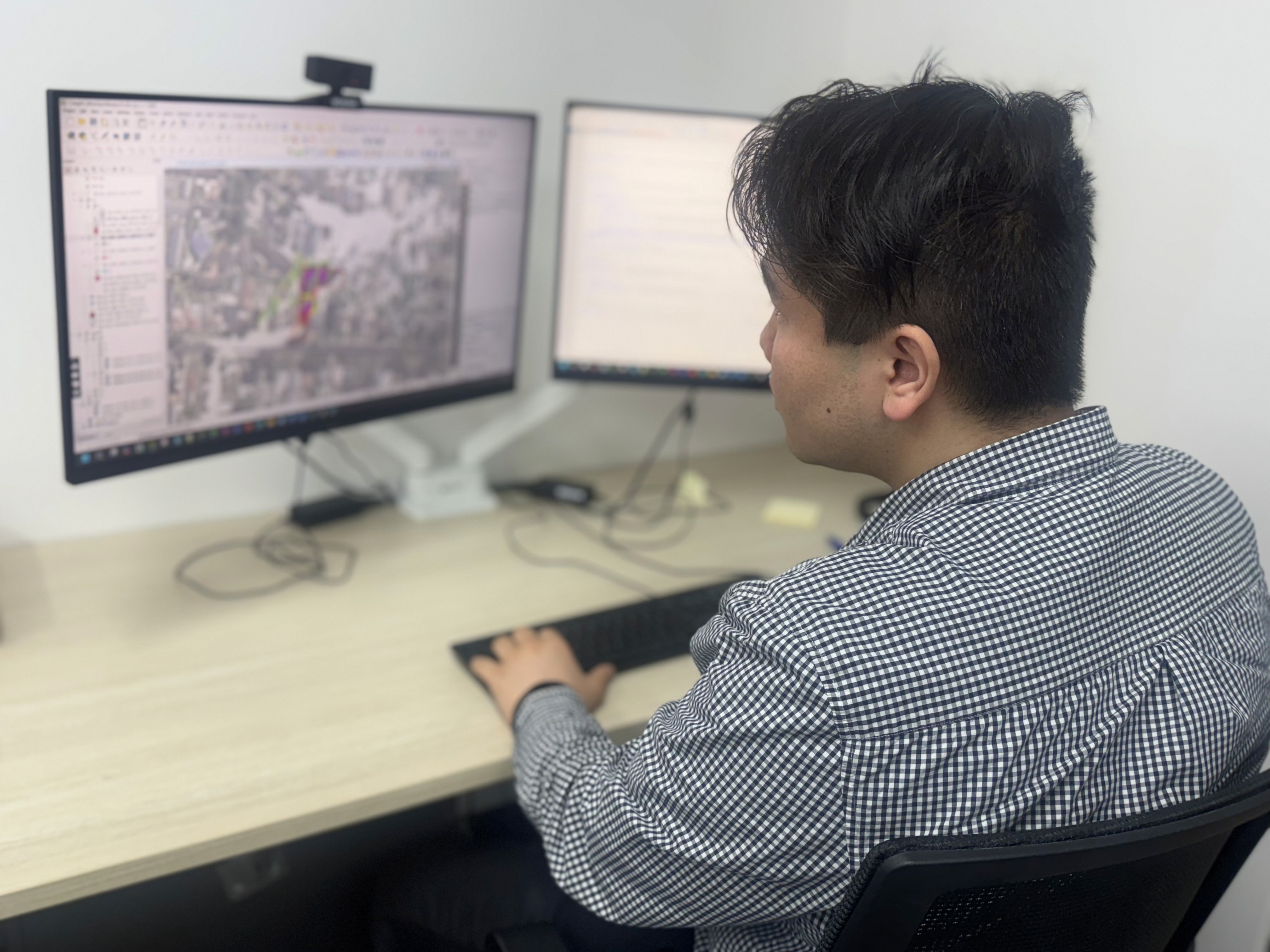
What does your typical day look like?
My typical day at JOCES usually starts with a quick catch-up with the senior engineers to set the plan and get clear direction for the day. From there I spend most of my time in the design software, modelling and drafting different aspects of a project and coordinating with the team on changes and markups. When design work is low, or there is a backlog of development engineering, I will also jump across to assist on assessment work.
If you could give a piece of advice to your fellow undergraduates, what would you say?
Don't be afraid to ask questions, even the ones that feel obvious. It is far better to clarify something with a senior than to guess and get it wrong. No one expects a grad to know everything. The one thing I would add is to be considerate of people's time. Have a go yourself first, then group a few questions together rather than interrupting constantly. That way you respect that seniors are busy, and you usually find you have worked some of it out on your own in the meantime.
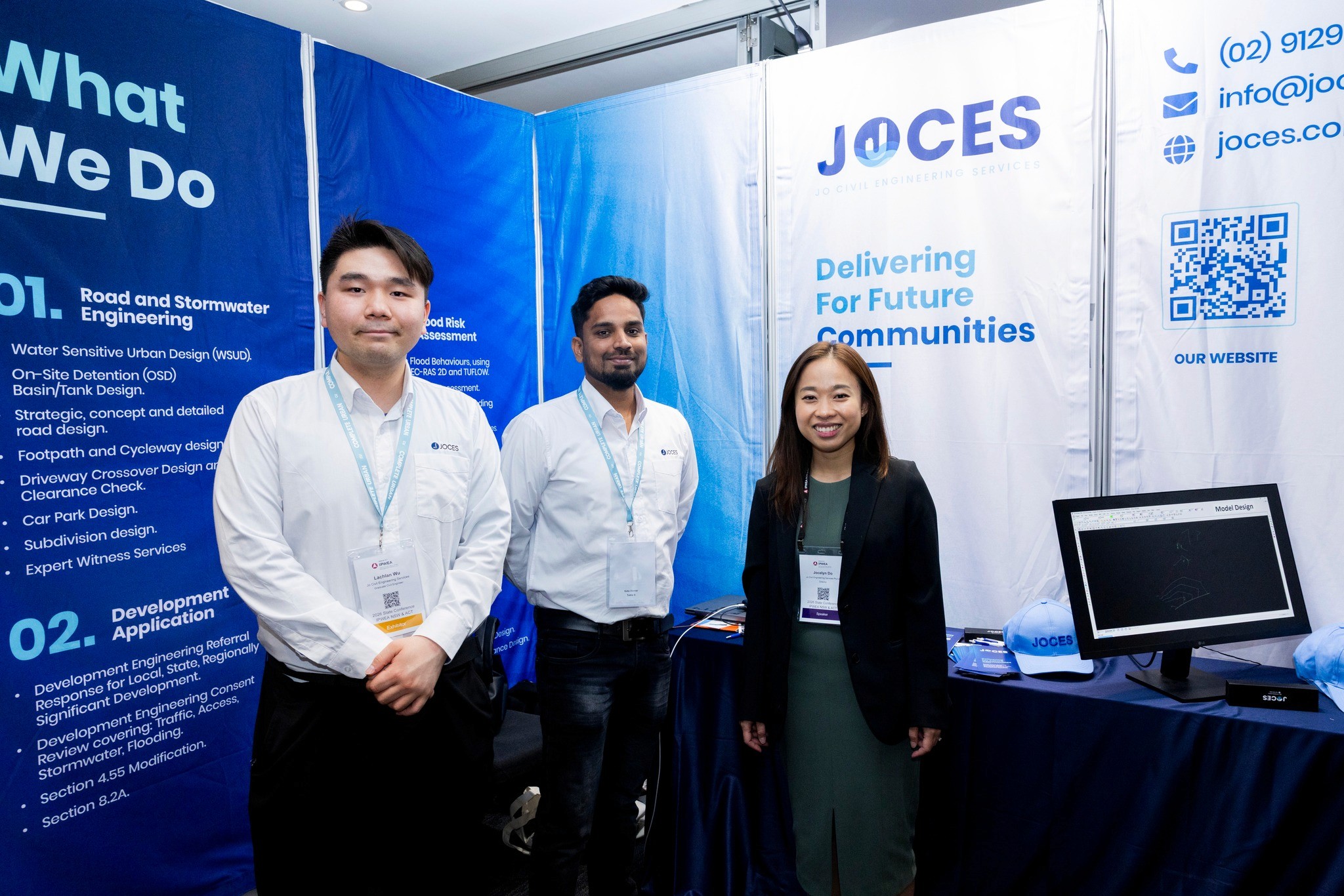
Watching a grad go from training manuals to running their own drainage models in a few months is one of the better parts of running a small consultancy. Thanks to Lachlan for sharing how it's really gone. If his first stretch is anything to go by, the next lot of grads is in good hands.